For many scholars, world leaders, and industry titans, the University of Oxford represents the absolute pinnacle of academic achievement. As the oldest university in the English-speaking world, its reputation is built on centuries of tradition, rigorous tutorials, and a legacy of excellence that spans nearly a millennium.
Whether you are a graduate looking to preserve your original document, a collector of academic memorabilia, or a professional aiming to enhance your office aesthetic, understanding the craftsmanship behind a University of Oxford diploma is essential. This guide explores the prestige, the intricate design details, and the best ways to showcase such a historic credential.
The Weight of Tradition: Why Oxford Stands Alone
Founded as early as 1096, Oxford is more than just a school; it is a global brand of intellectual authority. Holding an Oxford degree—whether it be a BA, an MPhil, or a DPhil—places an individual in the company of 28 British Prime Ministers, 55 Nobel Prize winners, and countless heads of state.
Because the university is composed of 39 semi-autonomous colleges (such as Christ Church, Magdalen, or Balliol), the diploma is a unique blend of centralized university authority and collegiate pride. When seeking a high-quality replacement or replica, capturing this specific “Oxford feel” is paramount.
Anatomical Precision: What Makes an Oxford Diploma?
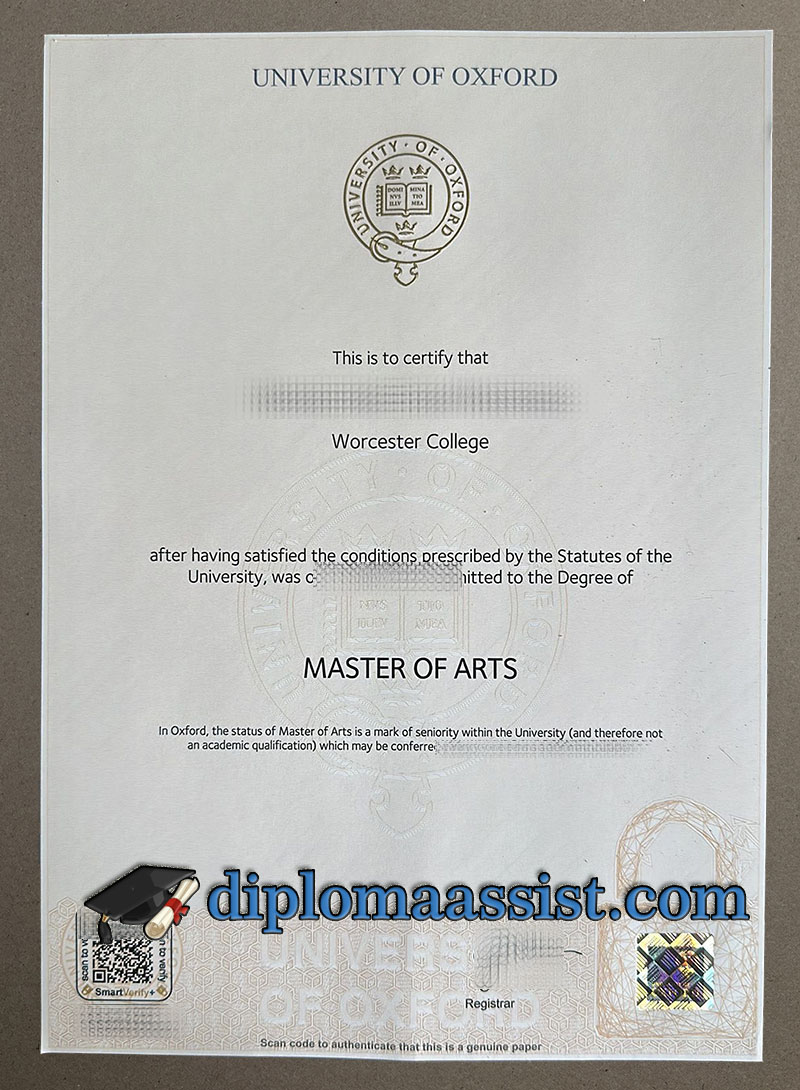
An authentic-style University of Oxford diploma is a work of art. Unlike modern, digitized certificates from newer institutions, Oxford maintains a classic, understated elegance. Here are the hallmark features:
1. The Latin Script
Traditionally, Oxford diplomas were issued in Latin. While modern versions may offer English translations, the most prestigious versions utilize the classic Latin terminology. Terms like “Vice-Cancellarius” and the specific phrasing of the degree conferral are vital for historical accuracy.
2. The University Seal
The Oxford seal is iconic, featuring an open book with the motto “Dominus Illuminatio Mea” (The Lord is my Light), surrounded by three crowns. To meet professional standards, a replacement must feature:
-
Deep Embossing: The seal should feel textured to the touch.
-
Color Accuracy: A subtle off-white or cream wax-effect or a crisp ink-stamped seal depending on the era being replicated.
3. Premium Sheepskin or Vellum Texture
Historically, Oxford degrees were printed on vellum (animal skin). Today’s high-end replicas use heavy-weight, archival-grade parchment that mimics the thickness and “snap” of traditional vellum. This ensures the document doesn’t curl and remains a centerpiece for decades.
4. Distinctive Typography
Oxford does not use standard “Times New Roman.” It utilizes specific, elegant serif typefaces that reflect British printing traditions. The layout is often minimalist, with generous “white space” that emphasizes the recipient’s name and the university’s authority.
Why Professionals Invest in High-Quality Replicas
There are several reasons why an individual might seek a professional-grade University of Oxford diploma:
-
Preservation of the Original: Genuine Oxford degrees are often printed on materials that can be sensitive to light and humidity. Many alumni choose to frame a high-quality replacement for their study while keeping the original in a climate-controlled archive.
-
Media and Theatrical Use: For high-end film productions or stage plays set in the UK, “hero props” (items held closely by actors) must look 100% authentic to maintain the suspension of disbelief.
-
Personal Motivation: For those who have completed Oxford’s prestigious online programs or executive education courses, a custom-designed commemorative document serves as a powerful daily reminder of their commitment to lifelong learning.
Comparing the Options: What to Look For
If you are looking to source a replacement, use the following quality matrix to ensure you are getting a document worthy of the “Dreaming Spires”:
| Feature | Standard Requirement | Premium Choice |
| Paper Type | 120gsm Bond Paper | 200gsm+ Ivory Parchment |
| Seal Style | Flat Print | Raised Gold Foil or Embossed |
| Ink | Standard Inkjet | Pigment-based Archival Ink |
| Language | English Only | Traditional Latin |
Framing and Presentation: The “Oxford Study” Aesthetic
An Oxford diploma demands a specific style of presentation. To achieve that classic British library look:
-
The Frame: Choose a dark, polished wood—typically Oak, Walnut, or Mahogany. Avoid modern plastic or metallic frames, which clash with the university’s 900-year history.
-
The Matting: Use a “University Blue” (a deep, dark navy) or a neutral “Antique White” mat. This provides a professional contrast that draws the eye to the seal.
-
The Placement: In a home office, the diploma is traditionally placed behind the desk at eye level, symbolizing the foundation upon which the professional’s expertise is built.